


 English

A silicone sleeve is a flexible protective covering made from high-quality silicone rubber, designed to protect, insulate, and improve the durability of various products and components. Due to its excellent heat resistance, electrical insulation, chemical resistance, flexibility, and weather resistance, silicone sleeves are widely used in electrical, automotive, medical, industrial, food, and consumer applications.
So, what is silicone sleeve? A silicone sleeve is a specially designed Silicone Rubber Tube or cover that wraps around an object to provide protection against heat, impact, moisture, chemicals, and mechanical damage. Depending on the application requirements, silicone sleeves can be customized in different sizes, shapes, colors, and material grades.
This article explains the definition, types, applications, benefits, and customization options of Silicone Rubber Sleeves.
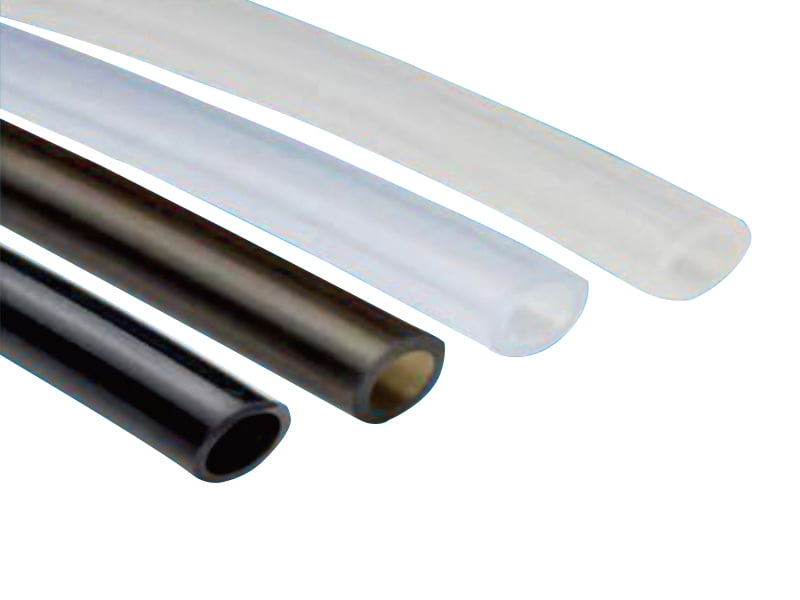
What Is a Silicone Sleeve?
A silicone sleeve is a protective component manufactured from silicone rubber, a high-performance elastomer known for its excellent stability in extreme environments.
Unlike ordinary rubber materials, silicone provides superior performance under:
High temperatures
Outdoor exposure
Chemical environments
Electrical applications
Medical conditions
The unique molecular structure of silicone gives silicone Protective Sleeves excellent flexibility and durability while maintaining their physical properties over long periods.
Common characteristics of silicone sleeves include:
High temperature resistance
Excellent elasticity
Waterproof performance
Electrical insulation
Chemical resistance
UV and weather resistance
Non-toxic properties
How Are Silicone Sleeves Made?
The manufacturing process of Silicone Rubber Sleeves usually includes several steps.
1. Silicone Material Selection
Manufacturers select suitable silicone materials based on application requirements.
Common silicone types include:
General-purpose silicone rubber
High-temperature silicone
Food-grade silicone
Medical-grade silicone
Flame-retardant silicone
Different silicone grades provide different levels of performance.
2. Silicone Molding Process
Silicone sleeves are commonly produced through molding processes such as:
Extrusion molding
Compression molding
Injection molding
The molding method depends on the product design, size, and production requirements.
For example:
Silicone tube sleeves are often produced through extrusion.
Custom silicone sleeves with complex shapes are usually manufactured through compression or injection molding.
3. Surface Treatment and Quality Inspection
After molding, silicone sleeves may undergo additional processes, including:
Surface finishing
Cutting
Printing
Cleaning
Dimensional inspection
Quality control ensures the finished silicone sleeve meets requirements for:
Size accuracy
Elasticity
Temperature resistance
Durability
Types of Silicone Sleeves
Different industries require different types of silicone sleeves.
Silicone Protective Sleeve
A silicone protective sleeve is designed to protect products from scratches, impacts, and environmental damage.
Common applications include:
Tool handles
Equipment covers
Electronic devices
Industrial components
Benefits include:
Shock absorption
Anti-slip performance
Comfortable grip
Surface protection
Silicone Heat Resistant Sleeve
A silicone heat resistant sleeve is designed for high-temperature environments.
It is commonly used for:
Wires
Cables
Pipes
Engine components
Industrial equipment
Silicone heat resistant sleeves help prevent damage caused by:
High temperatures
Heat exposure
Thermal aging
Silicone Insulation Sleeve
A silicone insulation sleeve provides electrical protection for wires, cables, and electronic components.
Applications include:
Battery cables
Electrical connections
Wiring harnesses
Electronic devices
Advantages:
Excellent dielectric strength
Moisture resistance
High-temperature insulation
Silicone Tube Sleeve
A silicone tube sleeve is a flexible silicone tube used for protection, insulation, or fluid applications.
Common uses:
Medical tubing
Food processing equipment
Industrial hoses
Fluid systems
What Is Silicone Sleeve Used For?
Silicone Sleeves in Electrical and Electronics Industry
One of the most common applications of silicone sleeves is electrical protection.
They are used for:
Cable protection
Wire insulation
Battery protection
Connector covers
Electronic component insulation
Silicone provides reliable protection against:
Heat
Moisture
Electrical leakage
Mechanical damage
In electric vehicles, silicone cable sleeves are widely used to protect high-voltage cables and battery system components.
Silicone Sleeves in Automotive Industry
Automotive systems often operate in high-temperature and harsh environments.
Silicone rubber sleeves are used for:
Engine wiring protection
Battery cable covers
Hose protection
Electrical insulation
The advantages of silicone sleeves in automotive applications include:
Heat resistance
Vibration resistance
Long service life
Protection against automotive fluids
Silicone Sleeves in Medical Industry
Medical-grade silicone is widely recognized for its safety and biocompatibility.
Medical applications include:
Medical tubing protection
Surgical equipment covers
Medical device components
Benefits of medical silicone sleeves:
Non-toxic
Sterilization resistant
Flexible
Durable
Silicone Sleeves in Industrial Applications
Industrial equipment often requires protection against harsh working conditions.
Silicone protective sleeves are used for:
Machinery components
Hydraulic hoses
Industrial wires
Equipment handles
Thermal protection systems
They help reduce:
Wear
Heat damage
Mechanical impact
Maintenance frequency
Silicone Sleeves for Food and Consumer Products
Food-grade silicone sleeves are widely used because silicone is safe, flexible, and heat resistant.
Applications include:
Bottle sleeves
Cup covers
Kitchen accessories
Baking products
Food-grade silicone sleeves provide:
Safe contact with food
Heat resistance
Easy cleaning
Comfortable handling
Benefits of Silicone Sleeves
Excellent Heat Resistance
One of the biggest advantages of silicone heat resistant sleeves is their ability to withstand high temperatures.
They maintain performance even when exposed to continuous heat.
Superior Flexibility
Silicone sleeves are highly flexible and elastic, allowing them to fit different shapes and sizes.
This makes them suitable for:
Curved surfaces
Moving components
Complex assemblies
Excellent Electrical Insulation
Silicone has strong electrical insulation properties, making it ideal for protecting wires and electronic components.
Waterproof and Weather Resistant
Silicone sleeves resist:
Water
UV radiation
Aging
Outdoor exposure
This makes them suitable for long-term outdoor applications.
Chemical Resistance
Silicone materials can withstand many chemicals, oils, and cleaning agents, making them suitable for industrial environments.
Custom Silicone Sleeves
Many industries require custom silicone sleeves instead of standard products.
A professional silicone sleeve manufacturer can provide customization options including:
Custom sizes
Custom shapes
Different silicone hardness levels
Various colors
Special material grades
Surface textures
Custom silicone sleeves are widely used for:
Industrial equipment
Electronic devices
Automotive systems
Medical products
How to Choose a Silicone Sleeve Manufacturer?
When selecting a silicone sleeve manufacturer, consider the following factors:
Material Quality
A reliable supplier should provide high-quality silicone materials with consistent performance.
Manufacturing Capability
Professional manufacturers should have advanced production capabilities, including:
Silicone extrusion
Injection molding
Compression molding
Quality testing
Customization Experience
Experienced manufacturers can develop custom silicone sleeves based on:
Product drawings
Application requirements
Working environment
Quality Control
Strict inspection ensures silicone sleeves meet requirements for:
Dimensions
Hardness
Temperature resistance
Durability
