


 English

Cutting a Nylon Braided Hose correctly is important to ensure a clean hose end, easy fitting installation, and reliable sealing performance. Because Nylon Braided Hoses contain a woven reinforcement layer, improper cutting can cause the braid to fray, damage the inner tube, or make it difficult to install fittings.
So, how to cut Nylon Braided Hose? The process mainly involves choosing the right cutting tool, securing the hose properly, making a straight cut, and preventing the nylon braid from unraveling.
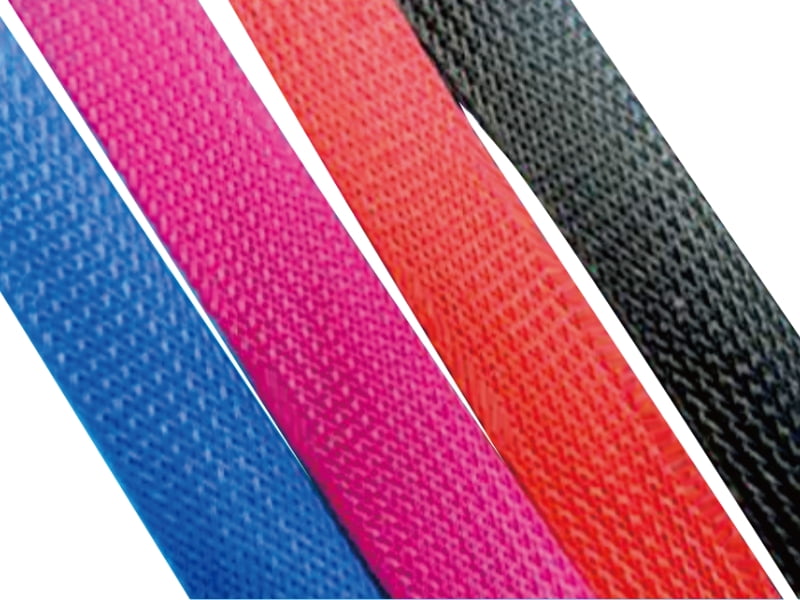
What Tools Do You Need to Cut Nylon Braided Hose?
Before cutting a nylon braided hose, prepare the following tools:
Hose Cutter
A professional hose cutter is the best choice because it can create a clean and straight cut without damaging the hose structure.
Sharp Utility Knife
A sharp knife can also be used for smaller Nylon Braided Hoses. Make sure the blade is sharp to avoid pulling or damaging the braided fibers.
Cutting Tape
Electrical tape or masking tape can help hold the nylon braid in place and reduce fraying during cutting.
Measuring Tool
Use a ruler or measuring tape to determine the correct hose length before cutting.
How to Cut Nylon Braided Hose Step by Step
Step 1: Measure and Mark the Cutting Point
First, measure the required length of the hose.
Use a marker to clearly mark the cutting position. Make sure the measurement is accurate because cutting too short may affect fitting installation.
Step 2: Wrap Tape Around the Cutting Area
Before cutting, wrap tape tightly around the marked area.
This step helps:
Keep the braided fibers together
Prevent the nylon braid from spreading
Create a cleaner cutting edge
The tape should cover the exact area where the cut will be made.
Step 3: Secure the Nylon Braided Hose
Hold the hose firmly before cutting.
You can use a clamp or place it on a stable surface to prevent movement.
A secure hose position helps achieve:
A straight cut
Less deformation
Better fitting installation
Step 4: Cut the Hose Straight Through
Place the cutting tool at a 90-degree angle to the hose.
Apply steady pressure and cut through the hose in one smooth motion if possible.
Avoid:
Cutting at an angle
Crushing the hose
Pulling the braid while cutting
A proper cut should have:
Flat edges
Minimal loose fibers
No damage to the inner tube
Step 5: Remove Loose Fibers
After cutting, inspect the hose end.
If there are loose nylon fibers, carefully trim them away or use a suitable method to secure the braid.
Avoid removing too much material, as this may affect the fitting connection.
Step 6: Install the Hose Fitting
After cutting, install the required fitting according to the hose application.
Make sure:
The hose is fully inserted into the fitting
The connection is secure
The hose end remains undamaged
A clean cut helps improve sealing performance and reduces the risk of leaks.
How to Prevent Nylon Braided Hose From Fraying?
The biggest challenge when cutting a nylon braided hose is preventing the outer braid from unraveling.
Here are some useful methods:
Use Tape Before Cutting
Wrapping tape around the cutting area is the simplest and most common method.
It keeps the braided layer stable during cutting.
Use a Sharp Cutting Tool
A dull blade can pull the nylon fibers instead of cutting them cleanly.
A sharp tool provides:
Cleaner cuts
Less fraying
Better hose appearance
Avoid Excessive Pressure
Applying too much force can deform the hose and damage the inner layer.
Cut slowly and maintain steady pressure.
Common Mistakes When Cutting Nylon Braided Hose
Using a Dull Blade
A dull tool can crush the hose and create uneven edges.
Cutting Without Securing the Hose
A moving hose can result in an angled cut and damaged braid.
Cutting Too Quickly
Rushing the process may cause:
Loose fibers
Uneven edges
Damaged hose structure
Not Checking the Cut End
Always inspect the hose after cutting before installing fittings.
FAQ About Cutting Nylon Braided Hose
What is the best tool for cutting nylon braided hose?
A hose cutter is the best option because it provides a clean and straight cut. A sharp utility knife can also work for smaller hoses.
How do you stop nylon braided hose from fraying?
Wrap tape around the cutting area before cutting and use a sharp cutting tool to minimize fiber separation.
Can you cut nylon braided hose with scissors?
Regular scissors are usually not recommended because they may crush the hose or create uneven cuts. A hose cutter or sharp blade works better.
Should you cut nylon braided hose at an angle?
No. A nylon braided hose should be cut straight at a 90-degree angle to ensure proper fitting installation and sealing.
Can a hot knife be used to cut nylon braided hose?
A hot knife may help reduce fraying for some nylon materials, but excessive heat can damage the hose. It should be used carefully.
