


 English

Choosing the right heat shrink tubing for electrical applications depends on more than just the cable diameter. The correct tubing should match the wire size, required shrink ratio, operating temperature, insulation requirements, mechanical protection needs, and applicable safety standards. For industrial, automotive, electronics, and renewable energy projects, these factors can directly affect the reliability of the finished assembly.
For buyers sourcing heat shrink tubing for electrical applications, it is important to evaluate both the material and the supplier's ability to provide consistent dimensions, performance, and certifications.
Match the Tubing Size to the Cable
The first step when selecting electrical heat shrink tubing is checking the diameter of the cable or component before and after shrinking. The tubing should be large enough to slide over the connection before heating, but small enough after shrinking to create a secure fit.
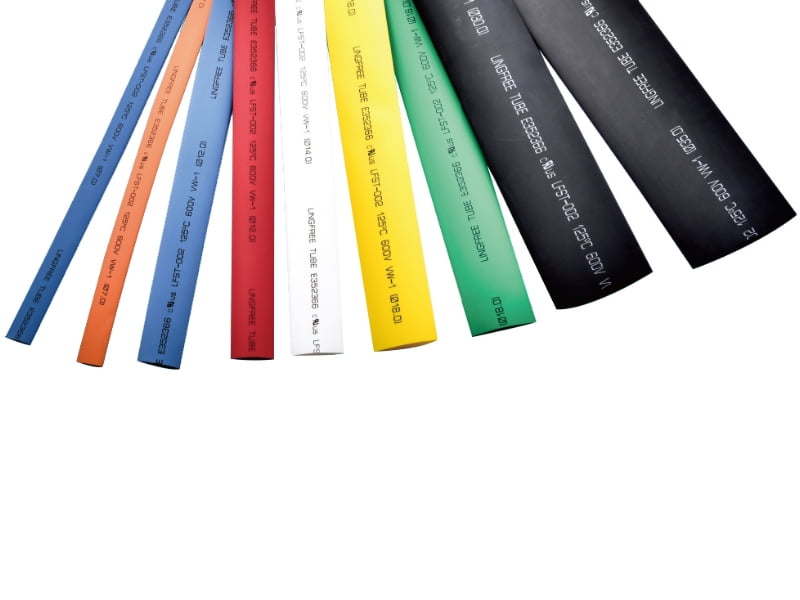
Shrink ratio is especially important when the tubing needs to cover connectors, wire joints, or components with different diameters. LingFree's Ul Heat Shrinkable Sleeve is available with typical 2:1 or 3:1 shrink ratios, providing flexibility for different cable and component sizes.
When requesting a quotation, buyers should provide the cable diameter, connection diameter, required tubing length, and preferred color or identification requirements. This allows the supplier to recommend an appropriate size instead of selecting tubing based only on the nominal cable size.
Check the Operating Temperature
Temperature resistance is another important consideration for heat shrink tubing. Electrical assemblies may operate near engines, power components, industrial machinery, or other heat sources, so the tubing needs to remain stable throughout the expected temperature range.
LingFree's Ul Heat Shrinkable Sleeve is specified for an operating temperature range of -55°C to +125°C. For projects with higher or more specialized temperature requirements, buyers should discuss the application environment with the manufacturer and select a material designed for the required conditions.
Consider Electrical Insulation Requirements
The primary function of many heat shrink tubes is electrical insulation. The tubing should form a continuous protective layer around wires, solder joints, terminals, and connectors without leaving exposed areas.
For applications where electrical safety is important, buyers should also check whether the product has the certifications or test requirements needed for the target market. A UL-certified heat shrinkable sleeve can be particularly relevant when the finished electrical assembly requires components meeting applicable UL requirements.
For projects requiring certified electrical insulation, ask the supplier for the applicable certification information before placing a bulk order.
Evaluate Mechanical and Environmental Protection
Electrical wires can be exposed to abrasion, moisture, chemicals, vibration, and general mechanical stress. Heat shrink tubing can provide an additional protective layer around vulnerable connections and cable sections.
LingFree's UL Heat Shrinkable Sleeve is designed to provide electrical insulation as well as resistance to abrasion, moisture, chemicals, and environmental exposure. This makes this type of heat shrink tubing for cable insulation suitable for applications where electrical protection and physical protection are required together.
For applications requiring environmental sealing around cable joints or connectors, buyers should also consider whether a dual-wall heat shrink construction is more appropriate than standard single-wall tubing.
Choose the Right Heat Shrink Tubing for the Application
| Application | Key Selection Factors |
|---|---|
| Automotive wiring | Temperature resistance, vibration protection, insulation and abrasion resistance |
| Industrial equipment | Electrical insulation, mechanical protection and operating temperature |
| Consumer electronics | Size, wall thickness, insulation and installation requirements |
| Renewable energy systems | Environmental resistance, insulation and long-term protection |
| Wire and cable connections | Shrink ratio, cable diameter, insulation and connection protection |
Check Certifications Before Bulk Purchasing
Certification requirements should be confirmed before selecting a heat shrink tubing supplier. Different electrical products and markets may require different safety or material documentation, so buyers should clearly communicate the intended application and destination market.
For applications requiring UL-listed components, LingFree's UL Heat Shrinkable Sleeve is designed for electrical insulation and protection in industrial, automotive, electronics, and other applications.
What Should You Ask a Heat Shrink Tubing Supplier?
Before requesting a quotation, prepare the basic technical information required for product selection. A supplier can provide a more accurate recommendation when the following details are available:
Application and working environment
Original cable or component diameter
Required recovered diameter
Required shrink ratio
Operating temperature range
Required insulation or protection performance
Certification requirements
Required length, color and quantity
Providing these specifications can reduce unnecessary sampling and help the manufacturer recommend the appropriate tubing construction and dimensions for your project.
Why Choose a Manufacturer for Custom Electrical Protection?
For OEM and bulk purchasing projects, working directly with a heat shrink tubing manufacturer can make it easier to discuss dimensions, materials, certifications, colors, packaging, and application requirements.
LingFree has been engaged in the research, development, production, and sales of insulating tubes since 2008, with a product range covering heat shrinkable tubing, fiberglass sleeving, PTFE TUBEs, silicone tubes, Viton Heat Shrinkable Tubes, and other protective tubing solutions.
If you are sourcing heat shrink tubing for an electrical project, send the cable size, application, operating temperature, required quantity, and certification requirements to LingFree. The manufacturer can then evaluate the suitable product specification and provide a quotation.
FAQ About Heat Shrink Tubing for Electrical Applications
What is heat shrink tubing used for?
Heat shrink tubing is commonly used for electrical insulation, wire and cable protection, connection protection, identification, and mechanical protection. The tubing shrinks when heated and forms a tight layer around the covered component.
How do I choose the correct shrink ratio?
Choose a shrink ratio based on the largest diameter the tubing must pass over and the final diameter that needs to be covered. A higher shrink ratio can provide more flexibility when the component has significant changes in diameter.
Is UL certification important for electrical heat shrink tubing?
It can be important when the finished application or purchasing specification requires UL-certified components. Buyers should confirm the exact certification requirements for their product and market before ordering.
Can heat shrink tubing protect wires from moisture?
Standard heat shrink tubing can provide a protective covering, but applications requiring stronger environmental sealing may need a suitable dual-wall or adhesive-lined construction. The required protection level should be confirmed with the supplier.
