


 English

Choosing the right busbar insulation sleeve comes down to matching four things to your application: the voltage rating your system actually requires, the material — silicone rubber or fluoropolymer — best suited to your operating environment, a temperature range that covers your real conditions rather than just typical ones, and a shrink ratio and sizing that fits your specific busbar dimensions. Getting the voltage rating wrong isn't a minor spec miss — it's a safety issue, so this is the one buyers should never guess on.
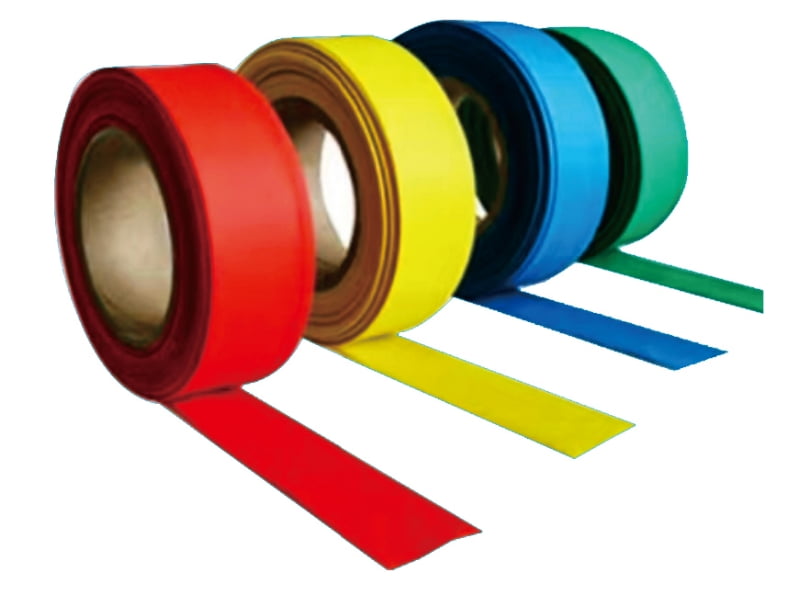
Match Voltage Rating to Your System First
Busbar heat Shrink Sleeves are typically specified for voltage classes such as 10kV and 35kV, with some products rated up to 36kV. This is the first spec to confirm, before material or sizing, since a sleeve rated below your system's actual voltage is a safety hazard rather than a performance tradeoff. Ask your supplier for the specification table tied to the exact voltage class you need — a general "high voltage capable" claim without a specific kV rating and supporting test data isn't sufficient for a power distribution or EV battery application.
Choose Silicone Rubber or Fluoropolymer Based on Your Environment
Busbar Insulation Sleeves are generally available in silicone rubber or fluoropolymer construction, with silicone materials typically rated from -60°C to 200°C. Silicone is a common default for general power distribution and industrial applications where flexibility and broad temperature tolerance matter most. Fluoropolymer options are typically chosen when chemical resistance or higher-performance environmental exposure is a bigger concern than raw temperature range alone. If your application involves both — wide temperature swings and chemical or fuel exposure, common in EV battery pack and motor controller environments — confirm which material property your supplier is prioritizing in their recommendation, since the two materials aren't interchangeable defaults.
Get Shrink Ratio and Sizing Right for Your Busbar Dimensions
Busbar sleeves use a heat-shrinkable, double-wall construction with a hot melt adhesive core, available in customizable lengths and diameters with variable shrink ratios to accommodate different busbar sizes. Getting the pre-shrink diameter and shrink ratio matched to your actual busbar dimensions matters more here than with general cable sleeving, since an undersized or oversized fit compromises both the insulation integrity and the seal the adhesive layer is meant to create. Provide your supplier with actual busbar dimensions rather than a general size category, and confirm the shrink ratio they're recommending accounts for any irregular geometry at connection points.
Where Busbar Sleeves Get Used, and Why That Matters for Selection
Busbar Insulation Sleeves show up across power distribution systems and substations, industrial machinery and control panels, renewable energy installations like solar and wind systems, electric vehicle battery packs and motor controllers, and residential or commercial electrical infrastructure. Each of these environments stresses the sleeve differently — a substation application prioritizes long-term chemical and UV exposure resistance, while an EV battery pack application prioritizes vibration tolerance and a wide, stable temperature range in a compact space. Tell your supplier which environment you're actually installing into, not just the voltage and size, since the same voltage rating can call for a different material recommendation depending on the surrounding conditions.
Questions to Ask a Busbar Sleeve Manufacturer Before You Order
What specific voltage class (10kV, 35kV, or other) is this sleeve tested and rated for, with supporting data?
Should this application use silicone rubber or fluoropolymer, and what's driving that recommendation for your specific environment?
What shrink ratio and pre-shrink diameter do they recommend for your actual busbar dimensions?
Do they have experience supplying this application — substation, EV battery pack, renewable energy, or general industrial?
If you have your voltage class, dimensions, and application ready, send them directly for a quote — for a broader look at heat shrink sleeve types and how they compare to standard rubber sleeves, see our silicone rubber sleeve overview.
Frequently Asked Questions
What voltage rating do busbar heat shrink sleeves come in?
Common voltage classes include 10kV and 35kV, with some products rated up to 36kV. Always confirm the specific rating and supporting test data for the exact class your system requires rather than relying on a general high-voltage claim.
Are busbar insulation sleeves suitable for EV battery applications?
Yes, busbar sleeves are used in EV battery packs and motor controllers, where a wide, stable temperature range and vibration tolerance in a compact space matter alongside voltage rating. Confirm your supplier's recommendation accounts for the specific conditions inside an EV battery pack, not just general power distribution use.
Should I choose silicone rubber or fluoropolymer for a busbar sleeve?
Silicone rubber, typically rated -60°C to 200°C, is a common default for general power distribution and industrial use. Fluoropolymer is typically chosen when chemical resistance is a bigger priority than temperature range alone. Ask your supplier which property matters most for your specific installation environment.
