


 English

Silicone Fiber Glass Sleeving is a flexible and durable electrical insulation material made by coating or impregnating a fiberglass braided sleeve with silicone rubber. Combining the mechanical strength and thermal resistance of fiberglass with the flexibility, insulation, and environmental resistance of silicone, it provides reliable protection for wires, cables, terminals, and electrical components.
Also known as Glass Fiber Braided Sleeve, Fiberglass Tube, or Silicone Fiberglass Sleeving, this protective sleeve is widely used in motors, generators, transformers, electrical appliances, automotive systems, power electronics, industrial equipment, and other applications requiring reliable electrical and thermal insulation.
As an experienced Fiberglass Sleeving Manufacturer and Fiberglass Sleeving Supplier, a professional Fiberglass Sleeves Factory can provide different sizes, colors, wall thicknesses, and performance specifications according to application requirements.
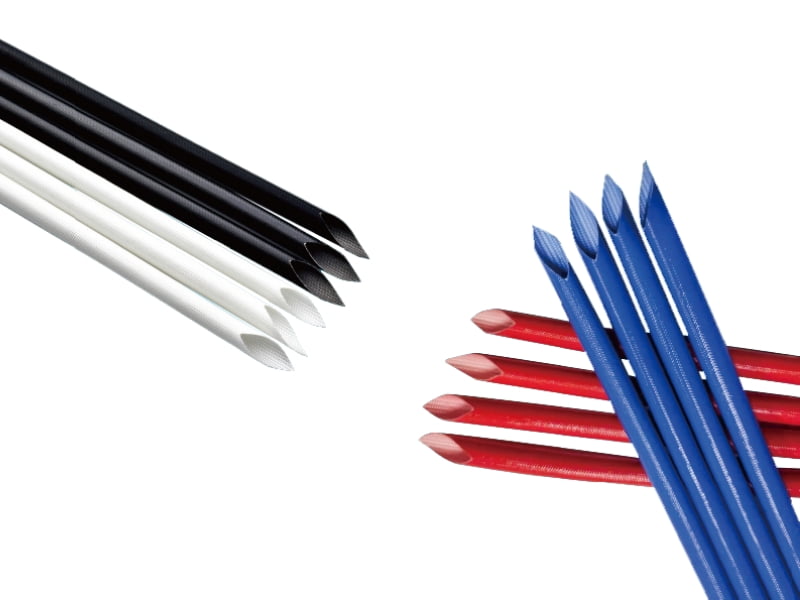
What Is Silicone Fiber Glass Sleeving?
Silicone Fiber Glass Sleeving is a braided fiberglass sleeve covered with a silicone rubber coating. The inner braided structure provides mechanical strength and dimensional stability, while the silicone layer improves flexibility and provides protection against heat, moisture, abrasion, and environmental exposure.
The sleeve can be installed over wires, cables, hoses, terminals, and other components to provide an additional protective and insulating layer.
Compared with conventional plastic sleeves, silicone fiberglass sleeving can maintain reliable performance in higher-temperature environments and offers excellent flexibility for applications where cables or wires need to bend or move.
Key Features of Silicone Fiberglass Sleeving
Excellent Electrical Insulation
Silicone Fiber Glass Sleeving provides effective electrical insulation for wires, cables, and electrical components. It can help reduce the risk of short circuits, electrical contact, and insulation breakdown.
This makes it suitable for motors, transformers, power supplies, control systems, and other electrical equipment.
High Temperature Resistance
The combination of fiberglass and silicone allows the sleeve to operate in demanding thermal environments. It can help protect electrical wiring and components from heat generated by motors, electrical equipment, and power electronics.
The exact temperature rating depends on the construction and material specification of the product.
Flexible and Easy to Install
Although fiberglass provides mechanical reinforcement, the silicone coating keeps the sleeve flexible. This allows the sleeve to conform to wires and components with different shapes.
Its flexibility makes Silicone Fiber Glass Sleeving suitable for applications where wiring needs to bend or move during operation.
Good Mechanical Protection
The braided fiberglass structure provides additional mechanical strength and helps protect internal wires and cables from abrasion, friction, and physical damage.
Moisture and Environmental Resistance
The silicone coating provides resistance against moisture and various environmental conditions. This helps improve the durability of the sleeving in industrial and electrical applications.
Glass Fiber Braided Sleeve Structure
A Glass Fiber Braided Sleeve is typically constructed from woven or braided fiberglass yarn. The braided structure creates a flexible tubular material that can expand and conform to different component shapes.
When coated with silicone rubber, the resulting silicone fiberglass sleeve combines the properties of both materials.
Fiberglass Fibers
Fiberglass Fibers form the reinforcement layer of the sleeving. They provide good tensile strength, dimensional stability, and thermal performance.
Silicone Coating
The silicone coating provides flexibility, electrical insulation, moisture resistance, and additional protection against abrasion and environmental exposure.
Braided Construction
The braided construction allows the sleeve to remain flexible while providing mechanical reinforcement. Depending on the application, different braiding densities and sleeve structures can be selected.
Applications of Silicone Fiber Glass Sleeving
Motors and Generators
Silicone Fiber Glass Sleeving can be used to protect winding leads, wires, terminals, and electrical connections in motors and generators.
Its electrical insulation and thermal resistance make it suitable for equipment exposed to heat and vibration.
Transformers
Transformers contain electrical connections that require reliable insulation and protection. Fiberglass Sleeving can provide an additional insulation layer for wires and terminals.
Automotive Electrical Systems
Automotive electrical systems can be exposed to heat, vibration, abrasion, and moisture. Silicone fiberglass sleeves can protect wires and cables in demanding environments.
Power Electronics
Power electronic equipment generates significant heat and requires reliable electrical insulation. Silicone Fiber Glass Sleeving can be used for wiring and electrical connections in power supplies, inverters, controllers, and other equipment.
Industrial Equipment
Industrial machinery often contains wiring located near heat sources or moving components. Fiberglass Sleeving can provide additional mechanical and thermal protection for these electrical connections.
Electrical Appliances
The sleeving can also be used in household and commercial electrical appliances where wires and terminals require additional insulation and heat protection.
Fiberglass Tube vs. Silicone Fiber Glass Sleeving
Fiberglass Tube is a general term that can describe tubular fiberglass insulation products, while Silicone Fiber Glass Sleeving typically refers to a braided fiberglass sleeve with a silicone rubber coating.
The silicone coating provides additional flexibility, environmental protection, and insulation performance compared with an uncoated fiberglass sleeve.
The appropriate product depends on the required temperature resistance, electrical insulation, flexibility, mechanical protection, and installation conditions.
Fiberglass Sleeving Manufacturer
Choosing an experienced Fiberglass Sleeving Manufacturer is important when electrical insulation products need to meet specific performance requirements.
A professional manufacturer can provide customized solutions based on:
Inner diameter
Wall thickness
Sleeve length
Fiberglass yarn
Braiding structure
Silicone coating
Color
Temperature rating
Voltage requirements
Packaging
Custom specifications
Manufacturing quality can directly affect the flexibility, insulation performance, dimensional stability, and service life of the finished sleeve.
Fiberglass Sleeving Supplier
A reliable Fiberglass Sleeving Supplier should be able to provide stable product quality, consistent dimensions, flexible customization, and reliable production capacity.
For distributors and industrial customers, choosing a supplier with comprehensive quality control and manufacturing capabilities can help ensure consistent performance across different production batches.
Professional suppliers can also provide technical support to help customers select the appropriate sleeve diameter, material structure, and insulation specification.
Why Choose a Fiberglass Sleeves Factory?
Working directly with a Fiberglass Sleeves Factory can provide several advantages for industrial customers and distributors.
Flexible Customization
Factory-direct manufacturers can adjust product dimensions, colors, braiding structures, and coating specifications according to customer requirements.
Stable Production Capacity
A professional factory can support both regular orders and large-volume production while maintaining consistent product specifications.
Quality Control
Factory production allows manufacturers to control raw materials, braiding processes, silicone coating, curing, and final inspection throughout the manufacturing process.
Cost Efficiency
Direct factory supply can reduce unnecessary distribution costs and provide more competitive pricing for bulk orders.
How to Choose Silicone Fiber Glass Sleeving?
Determine the Required Diameter
The inner diameter should be selected according to the size of the wire, cable, terminal, or component being protected.
Consider Operating Temperature
The sleeve should have a suitable temperature rating for the actual operating environment. Applications near motors, heating components, and power electronics may require higher-temperature insulation.
Check Electrical Requirements
For electrical insulation applications, voltage, dielectric strength, and insulation requirements should be considered when selecting the appropriate sleeving.
Consider Mechanical Protection
Applications exposed to abrasion, vibration, or physical contact may require a stronger braided fiberglass structure and suitable silicone coating.
Frequently Asked Questions About Silicone Fiber Glass Sleeving
What is Silicone Fiber Glass Sleeving?
Silicone Fiber Glass Sleeving is a flexible protective sleeve made from braided fiberglass fibers with a silicone rubber coating. It is commonly used for electrical insulation, thermal protection, and mechanical protection.
What is Glass Fiber Braided Sleeve used for?
Glass Fiber Braided Sleeve is used to protect wires, cables, terminals, and electrical components in motors, transformers, automotive systems, power electronics, industrial equipment, and electrical appliances.
Is Silicone Fiber Glass Sleeving heat resistant?
Yes. Fiberglass and silicone both provide good thermal resistance. The specific operating temperature depends on the product construction and material specification.
Can Fiberglass Sleeving be customized?
Yes. Fiberglass Sleeving can be customized in terms of diameter, thickness, length, color, braiding structure, silicone coating, and other specifications.
How do I choose the correct Fiberglass Sleeving size?
The appropriate size depends primarily on the outer diameter of the wire, cable, or component being protected. The installation method and required flexibility should also be considered.
Where can I buy Silicone Fiber Glass Sleeving?
You can purchase Silicone Fiber Glass Sleeving from a professional Fiberglass Sleeving Manufacturer, Fiberglass Sleeving Supplier, or Fiberglass Sleeves Factory that can provide the required specifications and customization options.
