


 English

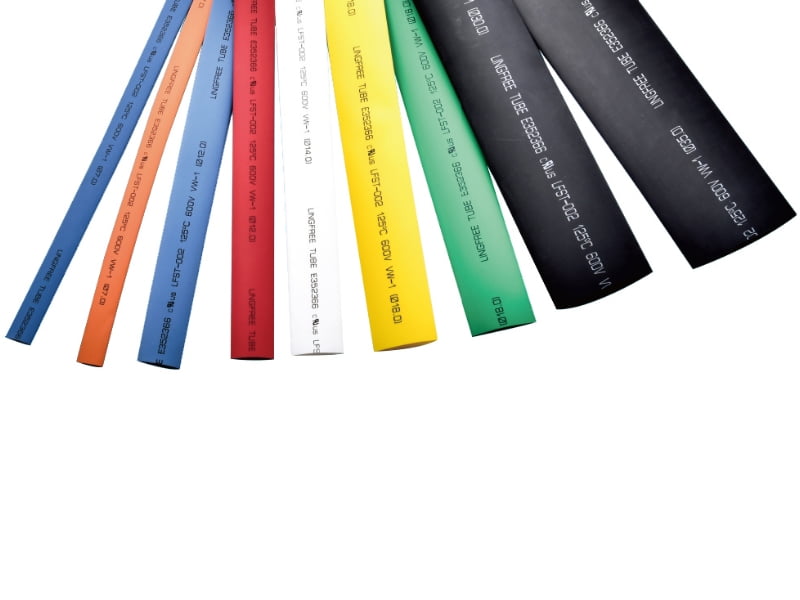
Ul Heat Shrinkable Sleeve is an electrical insulation and protection material designed to provide reliable covering for wires, cables, terminals, connectors, and other electrical components. Made from heat-shrinkable polymer materials, the sleeve contracts when heated and forms a tight protective layer around the component.
As a UL Certified Heat Shrinkable Sleeve, it is suitable for applications where reliable electrical insulation, mechanical protection, and recognized safety requirements are important. Also known as Heat Shrinkable Tube, Shrink Tube, Shrink Sleeve, or UL Heat Shrink Tubing, it is widely used in electronics, electrical equipment, automotive systems, telecommunications, power supplies, industrial machinery, and cable assemblies.
Professional Heat Shrinkable Sleeve Suppliers and Heat Shrinkable Sleeve Manufacturers can provide different diameters, shrink ratios, colors, wall thicknesses, and customized specifications to meet various application requirements.
What Is a Heat Shrinkable Sleeve?
A Heat Shrinkable Sleeve is a tubular insulation material that shrinks when exposed to heat. Before heating, the sleeve is larger than the component it is designed to cover. After heating, it contracts and conforms closely to the shape of the wire, cable, terminal, or connector.
This shrinking process provides a secure and durable protective layer without requiring complex installation equipment.
Heat Shrinkable Sleeves are commonly used for:
Electrical insulation
Wire protection
Cable protection
Terminal insulation
Connector protection
Cable joint protection
Strain relief
Component identification
Moisture protection
Key Features of Ul Heat Shrinkable Sleeve
UL Certified Electrical Protection
UL Certified Heat Shrinkable Sleeve is designed to meet applicable UL safety and performance requirements. UL certification can be particularly important for electrical and electronic applications where safety, material performance, and compliance are key considerations.
When selecting a UL Heat Shrink Tubing product, customers should verify the specific UL certification, standard, material, and applicable ratings required for their application.
Excellent Electrical Insulation
The primary function of heat shrink tubing is to provide electrical insulation. It creates a protective barrier around conductive components and helps reduce the risk of accidental electrical contact.
This makes UL Heat Shrink Tubing suitable for wiring harnesses, terminals, connectors, circuit assemblies, and electrical equipment.
Secure Shrink Fit
When heated to the appropriate temperature, the sleeve contracts around the component. The resulting tight fit helps keep the sleeve securely in position and provides additional mechanical protection.
Mechanical Protection
Heat Shrinkable Sleeve can protect wires and cables against abrasion, friction, scratches, and other physical damage. It can also help reinforce vulnerable connection areas.
Moisture and Environmental Protection
Depending on the material and construction, heat shrink tubing can provide resistance to moisture, dust, chemicals, and other environmental factors.
For applications exposed to demanding environments, the appropriate heat shrink material and specification should be selected based on the actual operating conditions.
UL Heat Shrink Tubing Materials
Different polymer materials can be used to manufacture Heat Shrinkable Sleeves. Material selection affects temperature resistance, flexibility, chemical resistance, electrical properties, and mechanical performance.
Polyolefin Heat Shrink Tubing
Polyolefin is one of the most commonly used materials for general-purpose heat shrink tubing. It offers a good balance of electrical insulation, flexibility, mechanical protection, and heat-shrinking performance.
PVC Heat Shrink Tubing
PVC can be used in applications where flexibility, insulation, and cost efficiency are important. The specific performance depends on the formulation and certification requirements.
Fluoropolymer Heat Shrink Tubing
Fluoropolymer materials can provide excellent chemical resistance, high-temperature performance, and durability for demanding industrial and electronic applications.
Applications of UL Certified Heat Shrinkable Sleeve
Electrical Wiring
UL Heat Shrink Tubing can be used to insulate exposed electrical connections, wire joints, terminals, and other conductive components.
It provides an additional layer of protection and helps organize wiring systems.
Automotive Wiring Harnesses
Automotive wiring systems are exposed to vibration, heat, abrasion, and moisture. Heat Shrinkable Sleeve can protect wires and connection points while improving the durability of wiring harnesses.
Electronic Equipment
Electronic devices often contain numerous wires, connectors, and terminals that require reliable insulation. UL Heat Shrinkable Sleeve can provide compact and secure protection for these components.
Power Supply and Cable Assemblies
Heat shrink tubing is widely used in power supplies, cable assemblies, connectors, and electrical equipment to insulate and protect connection points.
Telecommunications
Telecommunication cables and connections can benefit from heat shrink protection against mechanical damage and environmental exposure.
Industrial Equipment
Industrial machinery often contains complex wiring systems operating in demanding environments. Heat Shrinkable Sleeve can provide additional protection for electrical components and cable connections.
Heat Shrinkable Sleeve Installation
Select the Correct Size
Choose a Heat Shrinkable Sleeve with an appropriate pre-shrink diameter and shrink ratio. The tubing should be large enough to fit over the component before heating but capable of shrinking tightly around it.
Position the Sleeve
Slide the sleeve over the wire, cable, terminal, or connection before completing the final installation.
Apply Controlled Heat
Use a suitable heat gun or controlled heating equipment to heat the sleeve evenly. The material will gradually contract around the component.
Allow the Sleeve to Cool
After shrinking, allow the sleeve to cool naturally. Avoid moving the component excessively while the sleeve is still hot.
Proper installation helps ensure a secure fit and reliable insulation performance.
How to Choose the Right Heat Shrinkable Sleeve?
Consider the Application
Determine whether the sleeve will be used for electrical insulation, cable protection, strain relief, environmental protection, or a combination of these functions.
Check the Diameter
The tubing size should be compatible with both the component being covered and the required final shrink diameter.
Select the Appropriate Shrink Ratio
Different applications require different shrink ratios. A higher shrink ratio can be useful when the diameter of the component changes significantly along its length.
Consider Temperature Requirements
The sleeve should be capable of operating safely within the temperature range of the application.
Verify UL Requirements
If UL certification is required, confirm that the selected product has the appropriate UL certification and ratings for the intended application rather than relying solely on the term "UL certified."
Heat Shrinkable Sleeve Manufacturer and Supplier
Choosing a reliable Heat Shrinkable Sleeve Manufacturer is important for applications requiring stable insulation performance and consistent product quality.
A professional Heat Shrinkable Sleeve Supplier can provide different sizes, colors, materials, shrink ratios, wall thicknesses, and packaging options.
For OEM and industrial applications, manufacturers may also provide customized Heat Shrinkable Tube according to customer drawings, technical specifications, labeling requirements, and packaging needs.
A qualified supplier should also be able to provide relevant technical documentation and certification information when required.
Advantages of Using UL Heat Shrinkable Sleeve
UL Heat Shrink Tubing offers several advantages for electrical and electronic applications:
Reliable electrical insulation
Secure and compact protection
Easy heat-shrink installation
Good mechanical protection
Flexible sizing options
Multiple material choices
Different colors for wire identification
Suitable for OEM applications
Customizable specifications
Available with relevant safety certifications
These advantages make Heat Shrinkable Sleeve a practical solution for protecting electrical connections and improving the reliability of cable assemblies.
Frequently Asked Questions About UL Heat Shrinkable Sleeve
What is UL Heat Shrinkable Sleeve?
UL Heat Shrinkable Sleeve is heat-shrinkable tubing designed for electrical insulation and component protection and manufactured to meet applicable UL requirements.
What is Heat Shrinkable Tube used for?
Heat Shrinkable Tube is used to insulate and protect wires, cables, terminals, connectors, cable joints, and other electrical components.
What is the difference between Shrink Tube and Shrink Sleeve?
Shrink Tube and Shrink Sleeve are commonly used to describe heat-shrinkable tubular materials. The exact terminology can vary depending on the manufacturer and application.
Is UL certification important for heat shrink tubing?
UL certification can be important when electrical products need to meet specific safety and compliance requirements. The exact certification and rating should be verified according to the intended application.
Can Heat Shrinkable Sleeve be customized?
Yes. Heat Shrinkable Sleeve can be customized in terms of diameter, length, color, material, shrink ratio, wall thickness, printing, and packaging, depending on the manufacturer's capabilities.
What materials are used for Heat Shrink Tubing?
Common materials include polyolefin, PVC, fluoropolymers, and other specialized polymer materials. The appropriate material depends on the required temperature, flexibility, chemical resistance, and electrical performance.
