


 English

Yes, PTFE TUBE and Teflon generally refer to the same basic material, but the two terms are used in different ways. PTFE is the chemical name for Polytetrafluoroethylene, while Teflon is a well-known trademark associated with PTFE products.
Therefore, a PTFE TUBE is a tube made from polytetrafluoroethylene, while a Teflon tube is commonly used as a general or commercial term for a tube made from PTFE. However, not every product marketed under the Teflon name should automatically be assumed to have identical specifications, grades, or formulations.
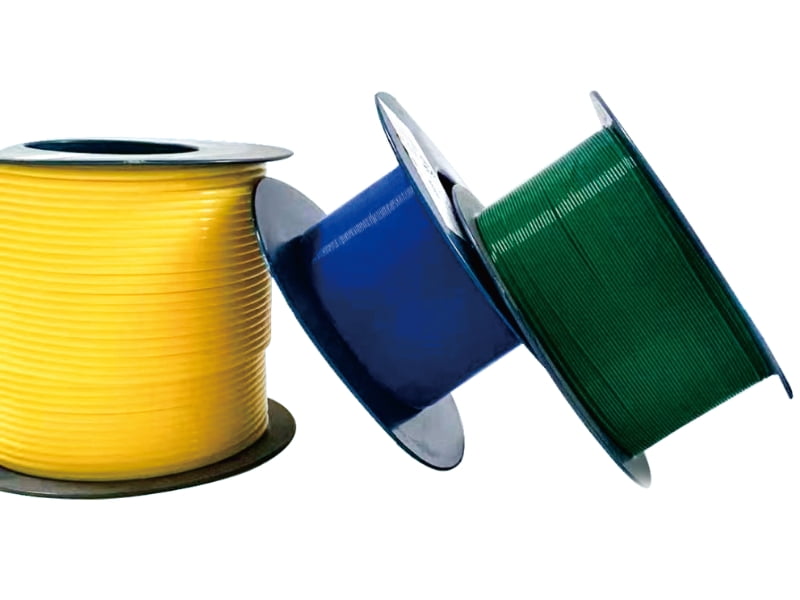
What Is PTFE?
PTFE stands for polytetrafluoroethylene, a fluoropolymer known for its excellent chemical resistance, low friction, non-stick properties, electrical insulation, and temperature resistance.
Because of these characteristics, PTFE is widely used to manufacture tubes, pipes, seals, gaskets, electrical insulation components, bearings, and other industrial products.
Key Properties of PTFE
Excellent chemical resistance
Low coefficient of friction
Non-stick surface
Excellent electrical insulation
Good temperature resistance
Low moisture absorption
Good weather and aging resistance
What Is Teflon?
Teflon is a registered trademark associated with products made using PTFE and related fluoropolymer materials. The name has become widely recognized because of PTFE's use in non-stick coatings and industrial applications.
In everyday conversation, people sometimes use "Teflon" and "PTFE" interchangeably. However, technically, PTFE is the material name, while Teflon is a trademark.
Is PTFE Tube the Same as Teflon Tube?
In many industrial contexts, a PTFE Tube and a "Teflon Tube" describe a tube made from PTFE material. The key difference is the terminology rather than the basic polymer itself.
When purchasing a tube, however, it is important to look beyond the product name. Specifications such as material grade, dimensions, wall thickness, operating temperature, pressure requirements, and application should be confirmed with the supplier.
PTFE Tube
PTFE Tube is the technically descriptive term for tubing manufactured from polytetrafluoroethylene. It is commonly used in industrial specifications, engineering documents, and product catalogs.
Teflon Tube
Teflon Tube is a commonly used commercial or informal term referring to tubing made from PTFE. Depending on the supplier and product, the actual material and specifications should be verified before use.
PTFE Tube vs. Teflon Tube
The following comparison explains the difference between the two terms:
| PTFE Tube | Teflon Tube |
|---|---|
| PTFE is the material name | Teflon is a trademarked brand name |
| Refers specifically to polytetrafluoroethylene | Commonly used to describe PTFE-based tubing |
| Frequently used in technical specifications | Frequently used in commercial and general language |
| Material properties can be specified by grade and formulation | Product specifications should be confirmed with the supplier |
Advantages of PTFE Tube
PTFE Tubes are widely used because they provide a combination of chemical, thermal, electrical, and mechanical properties that are useful in demanding applications.
Excellent Chemical Resistance
PTFE has outstanding resistance to many chemicals, making PTFE Tube suitable for fluid handling and chemical processing applications where conventional plastic tubing may not provide sufficient resistance.
Low Friction
PTFE has a very low coefficient of friction. This property allows fluids and other materials to move smoothly through the tube and makes PTFE useful in applications where reduced friction is important.
Temperature Resistance
PTFE can withstand a wide range of temperatures compared with many conventional thermoplastics. The actual operating temperature should always be selected according to the specific PTFE formulation, tube design, pressure, and application conditions.
Electrical Insulation
PTFE offers excellent dielectric properties and electrical insulation performance, making PTFE Tubing suitable for certain electrical and electronic applications.
Non-Stick Surface
The low surface energy of PTFE gives it excellent non-stick characteristics. This can help reduce material adhesion and simplify cleaning in appropriate applications.
Applications of PTFE Tubing
PTFE Tubing is used across many industries because of its chemical resistance, low friction, temperature resistance, and electrical insulation properties.
Chemical processing
Laboratory equipment
Medical and pharmaceutical equipment
Food and beverage equipment
Electrical and electronic systems
Automotive systems
Hydraulic and pneumatic applications
Fluid transfer systems
Industrial machinery
Semiconductor equipment
How to Choose the Right PTFE Tube?
When selecting a PTFE Tube, the material name alone is not enough. The tube should be selected according to the actual operating environment and technical requirements.
Tube Size
Consider the required inner diameter, outer diameter, and wall thickness. Proper dimensions help ensure compatibility with fittings and equipment.
Temperature Requirements
Determine the minimum and maximum operating temperatures of the application. The appropriate PTFE tube should be selected based on the actual working conditions.
Pressure Requirements
Pressure capability depends on tube dimensions, temperature, material characteristics, and application conditions. Always check the supplier's specifications before using PTFE tubing in pressurized systems.
Chemical Compatibility
Although PTFE provides excellent chemical resistance, compatibility should still be evaluated for the specific chemicals, concentrations, temperatures, and operating conditions involved.
Custom PTFE Tube Requirements
For specialized applications, Custom PTFE Tube solutions can be produced with specific dimensions, wall thicknesses, shapes, or other requirements according to the application.
PTFE Tube Manufacturer and Supplier
When purchasing PTFE Tubes, choosing an experienced manufacturer or supplier can help ensure consistent material quality and dimensional accuracy.
A reliable PTFE Tube Manufacturer should be able to provide detailed product specifications, material information, dimensional options, and technical support according to the application.
For industrial projects, customers should confirm the following information before ordering:
PTFE material and grade
Tube inner and outer diameter
Wall thickness
Temperature requirements
Pressure requirements
Chemical compatibility
Required quantity
Custom dimensions or specifications
FAQ About PTFE Tube and Teflon
Is PTFE the same as Teflon?
PTFE is the chemical name for polytetrafluoroethylene, while Teflon is a trademark associated with PTFE and related fluoropolymer products. In many applications, people use the terms interchangeably, but technically they are not the same type of name.
Is a PTFE Tube a Teflon Tube?
A tube made from PTFE may commonly be called a Teflon tube in commercial or everyday language. However, the exact material, grade, and specifications should be confirmed with the manufacturer or supplier.
What is PTFE Tube used for?
PTFE Tube is commonly used for chemical fluid transfer, laboratory equipment, electrical insulation, automotive systems, pharmaceutical equipment, pneumatic systems, and other applications requiring chemical resistance and low friction.
Why is PTFE used for tubing?
PTFE is used for tubing because it provides excellent chemical resistance, low friction, good temperature resistance, electrical insulation, and a non-stick surface.
How do I choose a PTFE Tube?
Consider the tube dimensions, operating temperature, pressure, chemical exposure, connection method, and application environment. For specialized applications, consult a PTFE Tube Manufacturer for suitable specifications.
PTFE Tube and Teflon tube generally refer to tubing made from the same basic fluoropolymer material, but the terminology is technically different. PTFE is the chemical name for polytetrafluoroethylene, while Teflon is a trademarked name.
PTFE tubing is widely used because of its excellent chemical resistance, low friction, temperature resistance, electrical insulation, and non-stick properties. When selecting PTFE tubing, it is important to evaluate the actual material grade, dimensions, pressure, temperature, and application requirements rather than relying only on the product name.
