


 English

A Double Wall Rubber Tube is a rubber tube designed with two concentric layers or walls to provide additional protection, insulation, flexibility, or structural performance compared with a conventional single-wall rubber tube. The inner and outer layers can be designed with different materials or properties according to the requirements of the application.
Double wall rubber tubing is commonly used in automotive, industrial, electrical, fluid transfer, and mechanical applications where a single layer of rubber may not provide sufficient protection or performance. By combining two layers into one tube structure, manufacturers can develop tubing with improved resistance to heat, abrasion, chemicals, pressure, or environmental exposure.
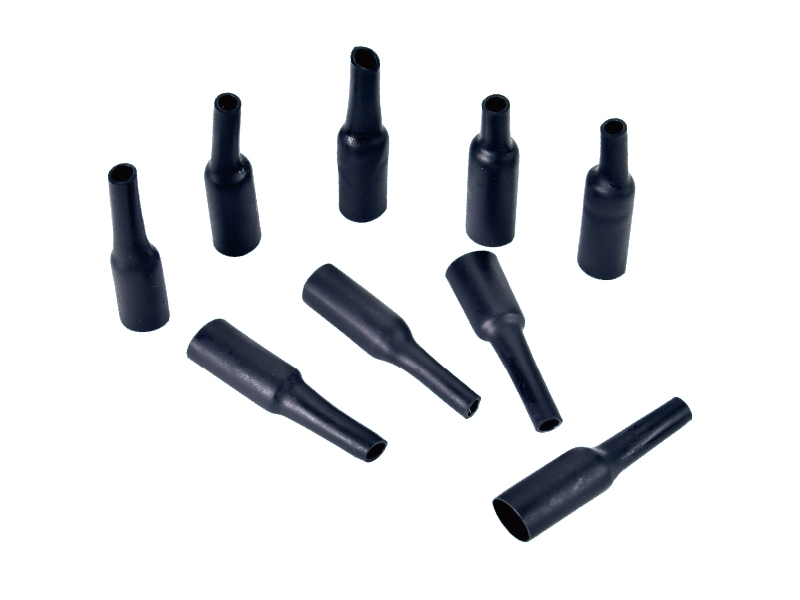
What Is the Structure of a Double Wall Rubber Tube?
A Double Wall Rubber Tube typically consists of an inner rubber layer and an outer rubber layer. Each layer can serve a different purpose depending on the tube design.
Inner Rubber Layer
The inner layer is normally designed to come into contact with the transported fluid, gas, wire, cable, or other internal component. Its material can be selected according to requirements such as chemical compatibility, temperature resistance, flexibility, or fluid transfer performance.
Outer Rubber Layer
The outer layer provides additional protection for the inner tube. It can help protect the tubing from abrasion, environmental exposure, mechanical damage, heat, oils, or other external conditions depending on the selected rubber material.
The combination of the two layers allows a Double Wall Rubber Tube to provide multiple functions within a single component.
How Does a Double Wall Rubber Tube Work?
The two-layer construction allows different materials or rubber formulations to perform different functions. Instead of requiring one material to meet every performance requirement, the inner and outer walls can be optimized for their specific roles.
For example, the inner layer may be selected for fluid compatibility while the outer layer provides enhanced abrasion or environmental resistance. This design approach can make double wall rubber tubing suitable for applications with multiple operating requirements.
Advantages of Double Wall Rubber Tubing
Double Wall Rubber Tubing offers several advantages for applications where additional protection or specialized performance is required.
Additional Protection
The outer wall provides an additional protective layer around the inner tube. This can help reduce the risk of damage caused by external abrasion, impact, or environmental conditions.
Improved Durability
A two-layer construction can improve the overall durability of tubing in demanding working environments. The outer layer can be designed to withstand external conditions while the inner layer maintains the required internal performance.
Multiple Material Options
Different rubber materials can be selected for the inner and outer layers. This provides greater flexibility when designing tubing for specific temperature, chemical, mechanical, or environmental requirements.
Enhanced Insulation
In suitable applications, the additional rubber layer can provide increased separation and insulation between the internal component and the external environment. This can be useful in certain electrical, automotive, and mechanical applications.
Flexible Design
Rubber naturally offers flexibility, allowing double wall tubing to accommodate bending and movement in many applications. The actual flexibility depends on the rubber materials, wall thickness, construction, and tube dimensions.
Materials Used for Double Wall Rubber Tubes
The material selection for a Double Wall Rubber Tube depends on the operating environment and required performance.
Silicone Rubber
Silicone rubber can provide good flexibility and temperature resistance and is commonly considered for applications requiring stable performance across a broad temperature range.
EPDM Rubber
EPDM rubber offers good resistance to weathering, ozone, and certain environmental conditions. It can be suitable for automotive and outdoor applications where environmental durability is important.
Nitrile Rubber
Nitrile rubber is known for its resistance to oils and fuels, making it useful for certain automotive, machinery, and fluid-handling applications.
Other Rubber Materials
Depending on the application, other rubber compounds can be considered for the inner and outer layers. The appropriate material should be selected according to temperature, pressure, chemical exposure, flexibility, and mechanical requirements.
Applications of Double Wall Rubber Tube
Double Wall Rubber Tubes can be used in a variety of industries where additional protection or specialized performance is required.
Automotive systems
Industrial machinery
Electrical equipment
Fluid transfer systems
Hydraulic and pneumatic equipment
Engine compartments
Mechanical equipment
Wire and cable protection
Heating and cooling systems
Industrial equipment
The exact application depends on the rubber material, tube dimensions, temperature, pressure, and other operating conditions.
Double Wall Rubber Tube vs. Single Wall Rubber Tube
The main difference between double wall and single wall rubber tubing is the number of functional layers.
| Feature | Double Wall Rubber Tube | Single Wall Rubber Tube |
|---|---|---|
Construction | Two rubber layers | One rubber layer |
| Protection | Additional external protection | Basic protection |
| Material options | Different materials can be used for each layer | Generally one material formulation |
| Application flexibility | Suitable for more demanding or specialized applications | Suitable for simpler applications |
| Design possibilities | Multiple functional layers | Single functional layer |
A single-wall tube can be sufficient for many applications. However, when additional protection, insulation, or material compatibility is required, a Double Wall Rubber Tube can provide a more suitable solution.
Custom Double Wall Rubber Tube
Different applications require different tubing dimensions and performance characteristics. Custom Double Wall Rubber Tube solutions can be developed according to specific technical requirements.
Customization may include:
Inner diameter
Outer diameter
Wall thickness
Inner and outer rubber materials
Tube length
Hardness
Color
Temperature resistance
Chemical resistance
Pressure requirements
Customers can provide drawings, samples, dimensions, or application requirements to help a manufacturer determine the appropriate tube construction and rubber material.
How to Choose a Double Wall Rubber Tube?
Choosing the right Double Wall Rubber Tube requires consideration of the complete operating environment rather than dimensions alone.
Check the Operating Temperature
Determine the minimum and maximum temperature the tube will experience. The rubber materials used for both layers should be suitable for the actual temperature range.
Consider Chemical Compatibility
If the tube will transport fluids or be exposed to chemicals, the inner rubber layer should be compatible with the specific medium. The outer layer should also be suitable for the surrounding environment.
Check Pressure Requirements
For pressurized applications, tube construction, wall thickness, reinforcement, material properties, and operating temperature should all be considered when determining pressure capability.
Consider Flexibility
If the tube needs to bend or move during operation, its inner and outer wall construction should provide sufficient flexibility for the application.
Choose the Right Manufacturer
An experienced Double Wall Rubber Tube Manufacturer can help evaluate application requirements and recommend an appropriate material combination, wall structure, and tube dimensions.
Why Choose a Professional Double Wall Rubber Tube Manufacturer?
The quality of rubber tubing depends on material selection, layer bonding, dimensional control, manufacturing processes, and quality inspection. Working with an experienced Double Wall Rubber Tube Manufacturer can help ensure consistent tube construction and reliable performance.
When choosing a supplier, consider:
Rubber material capabilities
Double-layer extrusion technology
Dimensional accuracy
Material consistency
Custom tube manufacturing
Quality inspection
Production capacity
Application experience
Technical support
FAQ About Double Wall Rubber Tubes
What is a Double Wall Rubber Tube?
A Double Wall Rubber Tube is tubing constructed with two rubber layers. The inner and outer layers can be designed with different materials or properties to provide additional protection and specialized performance.
What is the purpose of a double wall rubber tube?
The main purpose is to combine different functions within one tube, such as internal fluid compatibility and external abrasion, heat, chemical, or environmental protection.
What materials are used for Double Wall Rubber Tubing?
Depending on the application, materials such as silicone, EPDM, nitrile rubber, and other specialized rubber compounds may be used for the inner and outer layers.
Can Double Wall Rubber Tubes be customized?
Yes. Custom double wall rubber tubing can be manufactured according to required inner diameter, outer diameter, wall thickness, rubber materials, hardness, length, color, and application conditions.
What industries use Double Wall Rubber Tubes?
Double wall rubber tubes can be used in automotive, industrial machinery, electrical equipment, fluid transfer, hydraulic and pneumatic systems, mechanical equipment, and other applications requiring additional tubing protection.
How do I select the right Double Wall Rubber Tube?
Consider the required dimensions, temperature range, pressure, chemical exposure, flexibility, mechanical conditions, and installation environment. A professional manufacturer can help select the appropriate rubber materials and tube construction.
A Double Wall Rubber Tube uses a two-layer construction to provide additional protection and functional flexibility compared with conventional single-wall tubing. By selecting suitable materials for the inner and outer layers, manufacturers can develop tubing for applications requiring specific chemical, thermal, mechanical, or environmental performance.
Whether used for automotive systems, industrial equipment, fluid transfer, electrical protection, or other applications, Double Wall Rubber Tubing can be customized according to dimensions and operating requirements. Working with an experienced Double Wall Rubber Tube Manufacturer can help ensure the right material combination and tube construction for your application.
