


 English

Silicone Rubber Heat Shrinkable Tube is a flexible heat-shrinkable tubing solution designed to provide electrical insulation, wire protection, and environmental resistance in demanding applications. Made from silicone rubber, this type of tubing offers excellent flexibility and high-temperature performance compared with many conventional heat shrink materials.
A Silicone Heat Shrink Tube can shrink tightly around wires, cables, connectors, terminals, and other components when exposed to controlled heat. After installation, it provides a protective and insulating layer while maintaining flexibility during operation.
Because of its combination of heat resistance, elasticity, and electrical insulation, silicone rubber heat shrink tubing is widely used in electrical, automotive, industrial, electronic, and high-temperature applications.
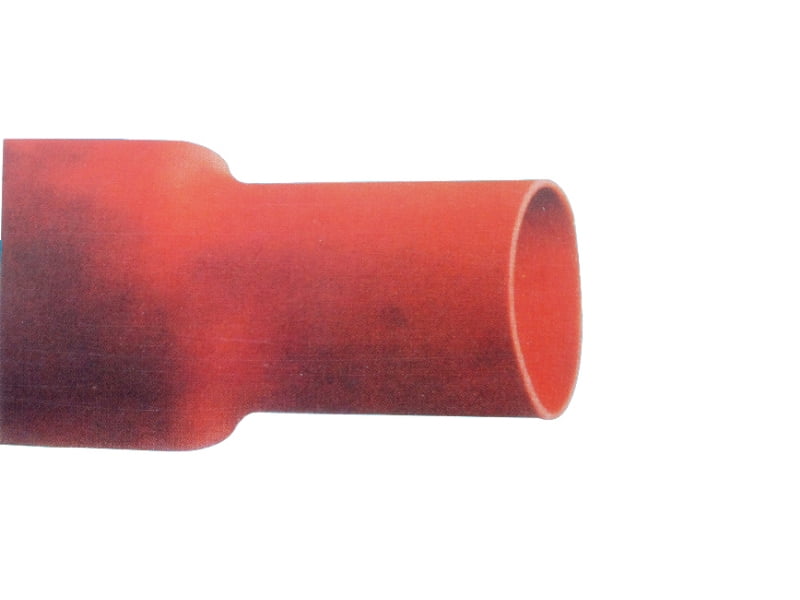
What Is Silicone Rubber Heat Shrinkable Tube?
A Silicone Rubber Heat Shrinkable Tube is a heat-shrinkable sleeve manufactured from silicone rubber or silicone-based elastomeric materials. It is supplied in an expanded form and contracts when heated to create a close-fitting layer around the component underneath.
Compared with rigid protective sleeves, silicone tubing remains relatively flexible after shrinking. This makes it suitable for applications where wires or components may experience bending, vibration, or movement.
Typical applications include:
Wire and cable insulation
Electrical connection protection
Terminal insulation
Connector protection
High-temperature wiring
Automotive wiring systems
Electronic components
Industrial equipment
How Does a Silicone Heat Shrink Tube Work?
A Silicone Heat Shrink Tube is installed by first selecting a suitable tube diameter for the component being protected.
The general installation process is:
Place the expanded tubing over the wire, cable, terminal, or connector.
Position the tubing so that the required area is fully covered.
Apply controlled heat using a suitable heat source.
Allow the tubing to contract around the component.
Let the tubing cool before putting the assembly into service.
As the temperature increases, the silicone material contracts and conforms to the shape of the underlying component.
The correct installation temperature and heating method depend on the specific product specification. Uniform heating is important to achieve consistent shrinkage without damaging the tubing or the component underneath.
Key Properties of Silicone Rubber Heat Shrinkable Tube
Silicone rubber provides several properties that make it suitable for demanding heat shrink applications.
High Temperature Resistance
One of the main advantages of silicone tubing is its ability to maintain flexibility and performance at elevated temperatures.
This makes a High Temperature Heat Shrink Tube suitable for applications where standard heat shrink materials may not provide sufficient thermal performance.
The actual operating temperature range depends on the specific silicone formulation and product construction, so the manufacturer's specifications should always be checked before use.
Excellent Flexibility
Flexible Silicone Shrink Tubing can accommodate bending and movement without becoming excessively rigid.
This is particularly useful for wiring assemblies installed in areas where vibration or repeated movement occurs.
Electrical Insulation
Silicone rubber has good electrical insulating characteristics. A suitable Silicone Insulation Heat Shrink Tube can provide an additional insulating layer around exposed conductors, terminals, and electrical connections.
Weather and Environmental Resistance
Silicone materials generally provide good resistance to moisture, weathering, ozone, and UV exposure. This can make silicone shrink tubing suitable for certain outdoor and demanding industrial applications.
Chemical Resistance
Depending on the formulation, silicone rubber can provide resistance to a range of environmental chemicals and fluids. The specific chemical compatibility should be evaluated according to the actual application.
Silicone Insulation Heat Shrink Tube for Electrical Applications
A Silicone Insulation Heat Shrink Tube is commonly used to protect electrical connections and provide additional insulation around wires and components.
It can be applied to:
Electrical terminals
Wire splices
Cable connections
Connector assemblies
Motor wiring
Sensor wiring
High-temperature electrical components
The tubing forms a protective layer around the selected area and helps reduce the risk of accidental contact, mechanical damage, and environmental exposure.
Heat Shrink Tube for Electrical Wiring
A Heat Shrink Tube for Electrical Wiring is used to insulate, protect, organize, and reinforce wires and electrical connections.
Silicone rubber is particularly useful when wiring is exposed to heat, vibration, or repeated bending.
For example, silicone heat shrink tubing can be used around:
Automotive wiring
Motor leads
Industrial control wiring
Sensor cables
Electronic equipment wiring
High-temperature electrical connections
The correct tube size should be selected according to the outside diameter of the wire or connection. The tube should be able to fit over the component before shrinking while still providing sufficient recovery after heating.
High Temperature Heat Shrink Tube Applications
A High Temperature Heat Shrink Tube is suitable for applications where wiring or electrical connections are exposed to elevated operating temperatures.
Common applications include:
Automotive
Silicone shrink tubing can be used for selected engine-compartment wiring, sensor connections, and other electrical assemblies exposed to heat and vibration.
Motors and Generators
Motor leads and electrical connections may experience heat, vibration, and mechanical movement. Flexible silicone tubing can provide additional insulation and protection.
Industrial Equipment
Industrial machinery may contain wiring close to heat sources or moving components. Silicone heat shrink tubing can help protect these connections.
Electronics
High-temperature electronic equipment may require flexible insulation around wires, terminals, and connectors.
Lighting Systems
Certain lighting applications involve elevated temperatures and require flexible electrical insulation materials.
Silicone Heat Shrink Tube vs. Conventional Heat Shrink Tubing
Silicone rubber heat shrink tubing offers different characteristics from common polyolefin heat shrink tubing.
| Property | Silicone Heat Shrink Tube | Conventional Polyolefin Heat Shrink Tube |
|---|---|---|
| Flexibility | Excellent | Good |
| High-temperature performance | Excellent | Moderate to high depending on grade |
| Electrical insulation | Excellent | Excellent |
| Elasticity | High | Moderate |
| Resistance to weathering | Excellent | Good |
| Typical applications | High-temperature and flexible wiring | General electrical protection |
The best material depends on the application. Silicone is particularly attractive when flexibility and high-temperature performance are important.
How to Choose a Silicone Rubber Heat Shrinkable Tube
When selecting a Silicone Rubber Heat Shrinkable Tube, several factors should be considered.
Tube Diameter
Choose a tube with an expanded diameter large enough to fit over the component while providing an appropriate recovered diameter after heating.
Shrink Ratio
The shrink ratio determines how much the tube can contract during installation. A suitable ratio is important when covering components with different diameters.
Temperature Requirements
Determine the continuous and peak operating temperatures of the application before selecting the tubing.
Electrical Requirements
Check dielectric strength, insulation performance, and other relevant electrical specifications when the tubing is used for electrical insulation.
Flexibility
For applications involving bending, vibration, or movement, flexible silicone tubing can provide better performance than more rigid materials.
Environmental Conditions
Consider exposure to moisture, UV radiation, chemicals, oils, vibration, and other environmental factors.
Working With a Silicone Rubber Heat Shrinkable Tube Supplier
A reliable Silicone Rubber Heat Shrinkable Tube Supplier should be able to provide tubing in different sizes and specifications for different applications.
When choosing a supplier, consider:
Silicone material quality
Available tube sizes
Shrink ratio
Temperature rating
Electrical insulation performance
Flexibility
Color options
Quality control
Customization capabilities
For specialized applications, it is useful to provide the supplier with information about the wire diameter, operating temperature, electrical requirements, installation conditions, and expected service environment.
Custom Silicone Heat Shrink Tubing
Different applications may require customized dimensions or performance characteristics.
Depending on the manufacturer's capabilities, customized silicone heat shrink tubing may include:
Different tube diameters
Custom wall thickness
Different shrink ratios
Custom colors
Specific temperature requirements
Printing or identification markings
Customized packaging
Custom solutions can be particularly useful for OEM electrical assemblies and specialized industrial equipment.
Frequently Asked Questions
What is Silicone Rubber Heat Shrinkable Tube used for?
Silicone Rubber Heat Shrinkable Tube is mainly used for electrical insulation, wire and cable protection, connector protection, and high-temperature applications where flexibility is also required.
Is silicone heat shrink tubing suitable for high temperatures?
Yes. Silicone is naturally well suited to elevated-temperature applications. However, the exact temperature rating depends on the specific product formulation and should be confirmed with the manufacturer's technical specifications.
What is the difference between Silicone Heat Shrink Tube and standard heat shrink tubing?
Silicone Heat Shrink Tube generally provides excellent flexibility, elasticity, and high-temperature performance. Standard heat shrink tubing may be more suitable for general-purpose applications where extreme flexibility or temperature resistance is not required.
Can silicone heat shrink tubing be used for electrical insulation?
Yes. A properly specified Silicone Insulation Heat Shrink Tube can provide electrical insulation and protection for wires, terminals, connectors, and other electrical components.
How do I choose a Silicone Rubber Heat Shrinkable Tube Supplier?
Look for a supplier with stable silicone material quality, suitable temperature ratings, accurate dimensions, reliable electrical insulation performance, and experience with customized applications.
Silicone Rubber Heat Shrinkable Tube combines high-temperature resistance, flexibility, elasticity, and electrical insulation in a single protective tubing solution. It can be used for wires, cables, terminals, connectors, motors, automotive wiring, industrial equipment, and other demanding electrical applications.
Compared with conventional heat shrink materials, Flexible Silicone Shrink Tubing is particularly suitable when the application requires both flexibility and high-temperature performance.
For electrical and industrial applications, choosing the correct Silicone Heat Shrink Tube, shrink ratio, size, and temperature rating is essential. Working with an experienced Silicone Rubber Heat Shrinkable Tube Supplier can help ensure that the tubing matches the electrical, mechanical, and environmental requirements of the final application.
