


 English

PVDF heat shrink tubing is a high-performance insulating and Protective Tube designed for electrical wiring, cable assemblies, and industrial applications. Made from polyvinylidene fluoride (PVDF), this type of heat shrink tubing is valued for its mechanical strength, chemical resistance, and thermal stability. When heated to the specified temperature, it shrinks tightly around wires, connectors, and components, providing a protective layer against abrasion, moisture, and environmental exposure.
For manufacturers and industrial buyers, choosing the right Heat Shrinkable Tubing helps improve cable protection, electrical insulation, and the reliability of assembled components. Depending on the working environment and performance requirements, fluoropolymer heat shrink tubing can provide a suitable solution for demanding applications.
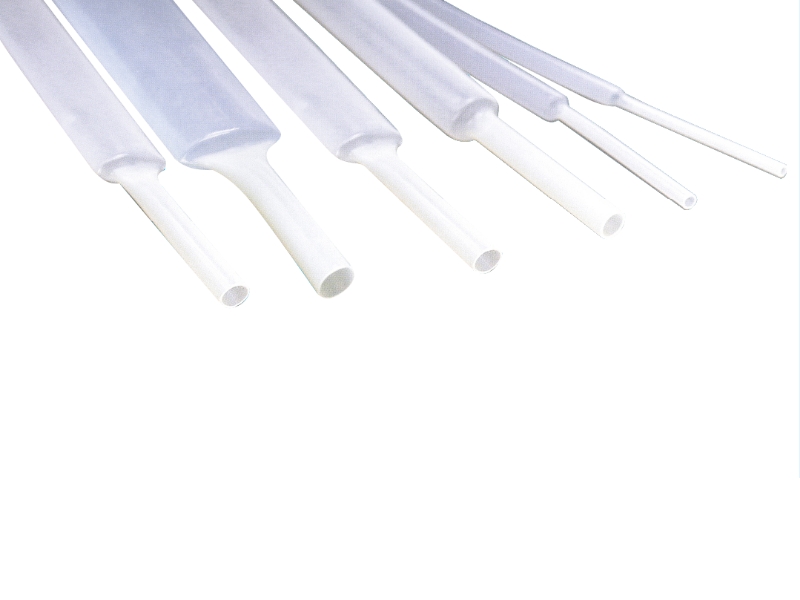
What Is PVDF Heat Shrink Tubing?
PVDF heat shrink tubing is a thermoplastic tube that contracts when exposed to heat. It is commonly used to protect electrical wires, cable connections, terminals, and other components that require insulation and mechanical protection.
Compared with some general-purpose heat shrink materials, PVDF offers a combination of strength, wear resistance, and chemical resistance. Its specific operating temperature, shrink ratio, wall thickness, and electrical properties depend on the product formulation and manufacturing specifications.
PVDF heat shrink tubing is particularly useful in applications where ordinary polyolefin tubing may not provide the required combination of chemical resistance and mechanical durability.
Key Features of PVDF Heat Shrinkable Tubing
Excellent Mechanical Strength
PVDF heat shrink tubing provides good mechanical strength and abrasion resistance, helping protect cables and components from friction, handling damage, and wear during operation. It is suitable for applications where tubing must maintain its protective function under demanding conditions.
Chemical Resistance
PVDF is known for its resistance to many chemicals, acids, and solvents. This makes PVDF heat shrinkable tubing suitable for selected industrial environments where cables and components may encounter chemical exposure. Compatibility should be verified against the specific chemical, concentration, temperature, and exposure duration.
Thermal Stability
PVDF heat shrink tubing is designed to maintain its performance within its specified temperature range. It can be used in applications exposed to elevated temperatures, provided the continuous operating temperature and shrink temperature meet the requirements of the installation.
Electrical Insulation
PVDF heat shrinkable tubing can provide electrical insulation for wires, terminals, and cable connections. The appropriate tubing should be selected according to the required dielectric strength, voltage rating, wall thickness, and applicable electrical standards.
Tight and Secure Fit
When heated correctly, the tubing contracts around the underlying component to form a close-fitting protective layer. Selecting the correct expanded diameter and shrink ratio helps achieve a secure fit while maintaining the required insulation and protection.
Applications of PVDF Heat Shrink Tubing
Electrical Wire and Cable Protection
PVDF heat shrink tubing is used to cover individual wires, cable sections, and connection points. It helps protect against abrasion and provides an additional insulating layer in electrical assemblies.
Automotive and Transportation
In selected automotive and transportation applications, PVDF tubing can protect wiring and components exposed to heat, vibration, or certain chemicals. Material selection should be based on the actual operating conditions and relevant industry requirements.
Industrial Equipment
Industrial machinery and electrical equipment may require protective tubing for wiring harnesses, sensors, connectors, and control systems. PVDF heat shrink tubing can be considered where mechanical durability and chemical resistance are important.
Chemical and Process Equipment
Certain chemical processing environments require tubing that can withstand contact with specific industrial substances. PVDF may be suitable for these applications when its chemical compatibility and operating limits have been confirmed.
Electronic Components
PVDF heat shrinkable tubing can be used to protect selected electronic connections and component assemblies from abrasion and environmental exposure. The tubing must meet the electrical and thermal requirements of the application.
PVDF Heat Shrink Tubing vs. Fluororubber Heat Shrinkable Tube
PVDF heat shrink tubing and fluororubber heat shrinkable tubing are both used for protective applications, but they have different material characteristics.
| Feature | PVDF Heat Shrink Tubing | Fluororubber Heat Shrinkable Tube |
|---|---|---|
| Base material | Polyvinylidene fluoride | Fluorinated rubber elastomer |
| Main characteristics | Mechanical strength, abrasion resistance, chemical resistance | Flexibility, elasticity, and resistance to selected oils, fuels, and chemicals |
| Flexibility | Generally more rigid than elastomeric tubing | Generally more flexible and elastic |
| Typical applications | Wire protection, electrical assemblies, industrial components | Wire harnesses and components requiring flexible protection in demanding environments |
| Selection priorities | Mechanical protection, chemical compatibility, electrical properties | Elasticity, fluid compatibility, temperature rating, and recovery performance |
The most suitable option depends on the application. PVDF is worth considering when mechanical strength and chemical resistance are priorities, while fluororubber tubing may be preferable when flexibility and resistance to specific oils or fuels are essential.
Actual performance varies by formulation and product design, so buyers should compare technical datasheets rather than relying on material names alone.
How to Choose the Right Heat Shrinkable Tubing
Before purchasing PVDF heat shrink tubing or fluororubber heat shrinkable tubing, consider the following factors:
Material: Choose PVDF, fluororubber, or another suitable material according to the application environment.
Shrink ratio: Confirm the relationship between the expanded diameter and recovered diameter to ensure a proper fit.
Operating temperature: Check both the required shrinking temperature and the maximum continuous service temperature.
Wall thickness: Select the appropriate recovered wall thickness based on mechanical protection and insulation requirements.
Chemical compatibility: Verify resistance to the specific chemicals, oils, fuels, or solvents involved.
Electrical requirements: Check voltage rating, dielectric strength, and applicable safety standards when using tubing for electrical insulation.
Dimensions and tolerances: Confirm the required diameter, length, recovered dimensions, and dimensional tolerances before ordering.
Reviewing these specifications before production or installation helps reduce compatibility issues and ensures that the tubing meets the application's requirements.
Heat Shrink Tubing Installation Guide
Correct installation is essential for achieving reliable protection.
First, select tubing with an expanded diameter large enough to fit over the wire, connector, or component. Clean the surface and position the tubing so that the required area is covered.
Next, apply heat using equipment suitable for the material. Follow the manufacturer's recommended heating temperature and procedure, distributing heat evenly to avoid localized overheating or damage to the underlying components.
Allow the tubing to cool according to the product instructions before handling or applying mechanical stress. Finally, inspect the recovered tubing for gaps, cracks, uneven shrinking, or other defects.
Different materials require different processing conditions. Always follow the manufacturer's technical datasheet and avoid using an open flame unless the product manufacturer explicitly permits the method.
Frequently Asked Questions
What is PVDF heat shrink tubing used for?
PVDF heat shrink tubing is used to protect wires, cables, connectors, and selected industrial components. Common applications include electrical assemblies, industrial equipment, and environments requiring mechanical durability and resistance to certain chemicals.
Is PVDF heat shrink tubing resistant to chemicals?
PVDF resists many chemicals, but it is not universally resistant to every chemical or operating condition. Compatibility depends on the substance, concentration, temperature, and exposure duration.
What is fluororubber heat shrinkable tubing?
Fluororubber heat shrinkable tubing is made from a fluorinated rubber-based material designed to shrink when heated. Depending on its formulation, it can offer flexibility, elasticity, and resistance to selected oils, fuels, chemicals, and elevated temperatures.
How do I choose between PVDF and fluororubber heat shrink tubing?
Choose PVDF when mechanical strength, abrasion resistance, and chemical compatibility are key priorities. Consider fluororubber when the application requires greater flexibility and resistance to specific oils or fuels. Always compare the products' temperature ratings, dimensional specifications, and performance data.
What information should I provide when requesting a heat shrink tubing quotation?
Provide the required material, expanded and recovered diameters, shrink ratio, wall thickness, operating temperature, chemical exposure conditions, color, quantity, and intended application. These details help the supplier recommend a suitable product.
PVDF heat shrink tubing provides a practical solution for wire insulation, cable protection, and industrial applications that require mechanical strength and resistance to selected chemicals. Fluororubber heat shrinkable tubing offers an alternative for applications that place greater emphasis on flexibility and resistance to particular fluids.
By evaluating the material properties, dimensions, shrink ratio, and operating environment, buyers can select the most appropriate heat shrinkable tubing for their projects.
