


 English

PTFE medical tubing is a specialized tubing solution valued for its chemical resistance, low friction, thermal stability, and non-stick properties. Made from polytetrafluoroethylene (PTFE), this high-performance fluoropolymer is used in selected medical devices, fluid handling systems, laboratory equipment, and healthcare-related applications where material compatibility and consistent performance are essential.
As medical technology continues to advance, manufacturers require tubing materials that can meet demanding dimensional, chemical, and performance requirements. PTFE Tubing offers a combination of properties that makes it suitable for applications involving fluid transfer, instrument assemblies, and specialized medical equipment. Choosing an experienced PTFE TUBE manufacturer is important for obtaining tubing that meets the specific requirements of each application.
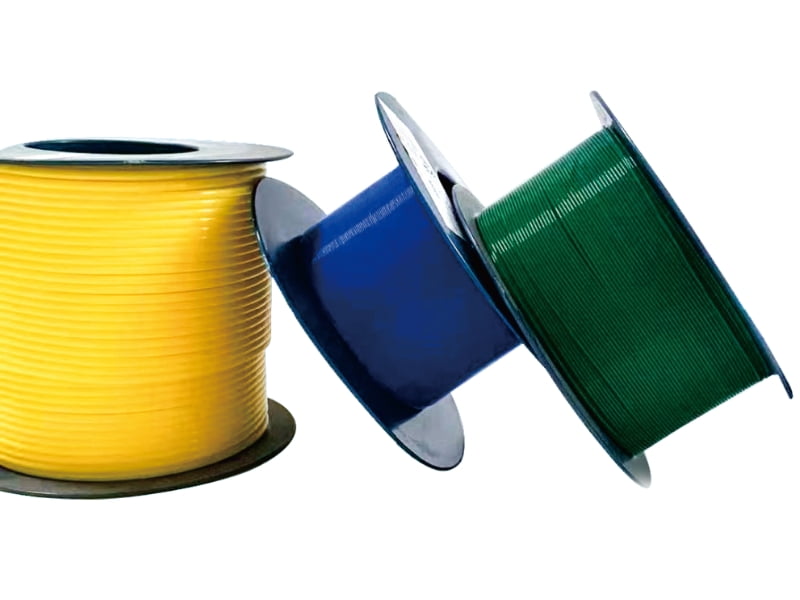
What Is PTFE Medical Tubing?
PTFE medical tubing is tubing manufactured from polytetrafluoroethylene, a fluoropolymer known for its chemical inertness, low coefficient of friction, and broad operating temperature range. Depending on the grade, manufacturing process, and product design, PTFE tubing can be produced with different inner diameters, outer diameters, wall thicknesses, and lengths.
In medical and healthcare-related applications, tubing may be used in fluid pathways, device components, laboratory instruments, and specialized equipment. The appropriate material grade and manufacturing controls depend on the intended use, contact conditions, sterilization method, and applicable regulatory requirements.
Not all industrial PTFE tubing is suitable for medical use. Buyers should confirm the product's biocompatibility, cleanliness, traceability, and regulatory documentation before selecting tubing for a medical device.
Key Benefits of PTFE Tubing
Excellent Chemical Resistance
PTFE tubing resists many acids, bases, solvents, and other chemicals. This property makes it useful for selected fluid handling and laboratory applications where chemical compatibility is important. Compatibility should still be verified for the specific fluid, temperature, and operating conditions.
Low Friction and Non-Stick Surface
One of the most recognized characteristics of PTFE is its low coefficient of friction. Its smooth, non-stick surface can help reduce friction during fluid movement and facilitate cleaning in suitable equipment applications.
Wide Operating Temperature Range
PTFE maintains useful properties across a broad temperature range compared with many conventional plastics. This can make PTFE TUBEs suitable for equipment exposed to temperature variations, provided the product's specified temperature limits and pressure requirements are respected.
Flexibility in Tubing Design
PTFE tubing is available in different dimensions and configurations. Manufacturers can produce tubing with specific inner diameters, outer diameters, wall thicknesses, and lengths to suit equipment designs and assembly requirements.
Electrical Insulation Properties
PTFE offers excellent electrical insulation properties, making it useful in certain medical equipment assemblies and electronic components where electrical isolation is required.
Applications of PTFE Medical Tubing
Medical Device Components
PTFE tubing may be incorporated into selected medical devices where low friction, chemical resistance, and dimensional consistency are required. The suitability of a particular tube depends on the device design, intended use, and applicable medical-device requirements.
Fluid Transfer Systems
PTFE tubes can be used in specialized fluid handling systems that require resistance to particular chemicals and a smooth internal surface. For medical applications, the tubing must be evaluated for compatibility with the fluid and the intended contact conditions.
Laboratory and Diagnostic Equipment
Laboratory instruments and diagnostic equipment may use PTFE tubing to handle selected reagents, solvents, or other fluids. Its chemical resistance can help support reliable operation in demanding laboratory environments.
Medical Instrumentation
Certain medical instruments and equipment assemblies use small-diameter tubing to guide fluids or provide protective pathways for components. PTFE tubing can be considered where its mechanical, chemical, and dimensional properties meet the design requirements.
Pharmaceutical and Bioprocess Equipment
PTFE tubing may be used in selected pharmaceutical and bioprocess systems where chemical resistance is important. Applications involving direct contact with drugs, biological fluids, or other regulated materials require appropriate material qualification and validation.
How to Choose the Right PTFE Tube Manufacturer
Selecting a reliable PTFE tube manufacturer involves more than comparing price and dimensions. For medical applications, material documentation and quality controls are particularly important.
Material grade: Confirm that the PTFE formulation is appropriate for the intended application and contact conditions.
Dimensions and tolerances: Specify the inner diameter, outer diameter, wall thickness, length, and dimensional tolerances required by the device.
Biocompatibility: For patient-contacting applications, request relevant biocompatibility evidence based on the intended use and applicable standards.
Sterilization compatibility: Confirm that the tubing can withstand the intended sterilization method, such as steam, ethylene oxide, or radiation, where applicable.
Chemical compatibility: Evaluate the tubing against the fluids, cleaning agents, and chemicals it will encounter.
Quality management: Review the manufacturer's quality system, inspection procedures, batch traceability, and relevant certifications.
Regulatory documentation: Determine whether the supplier can provide the documentation required for your target market and medical-device classification.
Clear technical requirements help the manufacturer identify suitable tubing specifications and reduce the risk of problems during assembly, testing, and validation.
PTFE Tubing Specifications to Consider
The following parameters are commonly considered when sourcing PTFE tubing. Actual specifications should be confirmed with the manufacturer rather than assumed from general material properties.
| Parameter | What to Confirm |
|---|---|
| Material | PTFE grade and formulation |
| Inner diameter | Required fluid passage size |
| Outer diameter | Compatibility with connectors and assemblies |
| Wall thickness | Mechanical strength and dimensional requirements |
| Length | Standard or customized cut length |
| Temperature range | Minimum and maximum operating temperatures |
| Pressure rating | Suitable working pressure at the operating temperature |
| Chemical resistance | Compatibility with process fluids and cleaning agents |
| Medical requirements | Intended contact, biocompatibility, and regulatory documentation |
| Sterilization | Compatibility with the intended sterilization process |
For small-diameter medical tubing, dimensional consistency is particularly important because variations can affect flow, connections, assembly, and device performance.
PTFE Tubing vs. Other Medical Tubing Materials
Different tubing materials offer different advantages. PTFE is often selected for its chemical resistance and low friction, while other polymers may be preferred for applications requiring greater elasticity or specialized mechanical properties.
| Material | Main Characteristics | Potential Application Considerations |
|---|---|---|
| PTFE | Chemical resistance, low friction, thermal stability | Specialized fluid pathways and chemically demanding environments |
| Silicone | Flexibility and elasticity | Applications requiring soft, flexible tubing |
| Polyurethane (PU) | Flexibility and abrasion resistance, depending on grade | Selected fluid and pneumatic systems |
| Polyethylene (PE) | Lightweight and chemical resistance, depending on grade | General fluid handling and laboratory applications |
Material selection should be based on the complete application rather than a single property. For medical devices, the final tubing assembly must meet the relevant safety, performance, and regulatory requirements.
Why Work with a Professional PTFE Tubing Supplier?
A professional PTFE tubing supplier should be able to help customers define suitable material and dimensional specifications for their applications. For medical projects, the supplier's documentation and quality controls are just as important as the physical properties of the tubing.
Before placing an order, discuss the intended application, fluid compatibility, dimensional tolerances, sterilization requirements, and required compliance documentation. Request samples and technical datasheets where appropriate, and conduct the necessary testing before approving tubing for production.
Whether you are developing medical equipment, sourcing tubing for laboratory systems, or evaluating materials for specialized fluid handling, a clear specification helps ensure that the selected PTFE tube meets your technical requirements.
Frequently Asked Questions
What is PTFE medical tubing used for?
PTFE medical tubing may be used in selected medical devices, laboratory instruments, diagnostic equipment, and specialized fluid handling systems. Its suitability depends on the intended use, material grade, contact conditions, and applicable regulatory requirements.
Is PTFE tubing suitable for medical use?
Some PTFE tubing products can be suitable for medical applications, but not every industrial PTFE tube is medical-grade. Buyers should verify biocompatibility, manufacturing controls, traceability, and required regulatory documentation before use in a medical device.
What are the main advantages of PTFE tubes?
PTFE tubes offer excellent resistance to many chemicals, low friction, non-stick properties, thermal stability, and electrical insulation. These characteristics make them useful in selected demanding industrial, laboratory, and medical equipment applications.
Can PTFE tubing be customized?
PTFE tubing can often be manufactured in different inner diameters, outer diameters, wall thicknesses, and lengths. Available customization depends on the manufacturer's production capabilities and the required tolerances.
How do I choose a reliable PTFE tube supplier?
Evaluate the supplier's material specifications, dimensional control, quality management system, traceability, and ability to provide application-specific documentation. For medical projects, confirm that the tubing meets the requirements of the intended device and target market.
PTFE medical tubing provides a high-performance option for selected medical, laboratory, and specialized fluid handling applications. Its low friction, chemical resistance, and thermal stability make it valuable when these properties are essential to equipment design.
Working with a qualified PTFE tube manufacturer and confirming material specifications, biocompatibility, sterilization compatibility, and regulatory documentation can help ensure that the tubing is appropriate for its intended use.
